Resource 04 / Creative producers, brand teams and legal reviewers
Commercial AI imagery review checklist
A practical rights and provenance review before AI-assisted imagery enters a commercial campaign. Separate tool permissions, source permissions and claims about copyright.
Production guidance, not legal advice or a guarantee of rights. The cited legal sources describe U.S. copyright guidance; obtain qualified advice for the jurisdiction and use involved.
Record the tool and terms
- Record the model/service, version, account tier and date used. Save the applicable terms or licence for review.
- Check the intended advertising, retailer, territory, exclusivity and redistribution uses against those actual terms.
- Ask whether reference uploads or outputs are retained, shared or used for training; apply the client confidentiality agreement before uploading.
Check source inputs separately
- List supplied photographs, products, logos, reference images, fonts and identifiable people.
- Record who supplied each input and the permission or licence relied upon. Unclear ownership goes to the rights reviewer, not an assumption.
- The U.S. Copyright Office explains that permission can be requested from the copyright owner; it does not provide a fixed percentage of a work that is automatically safe to copy.[4]
Separate use permission from copyright claims
- Do not treat a tool licence as a legal opinion about every output or third-party right.
- For U.S. copyrightability, the Copyright Office identifies sufficient human-determined expressive elements as important and says prompts alone are not enough; AI assistance does not automatically bar protection.[3]
- Record meaningful human-authored contributions, selections, arrangements, compositing and modifications. Have a qualified reviewer assess any ownership or exclusivity promise.
Review the final image and handoff
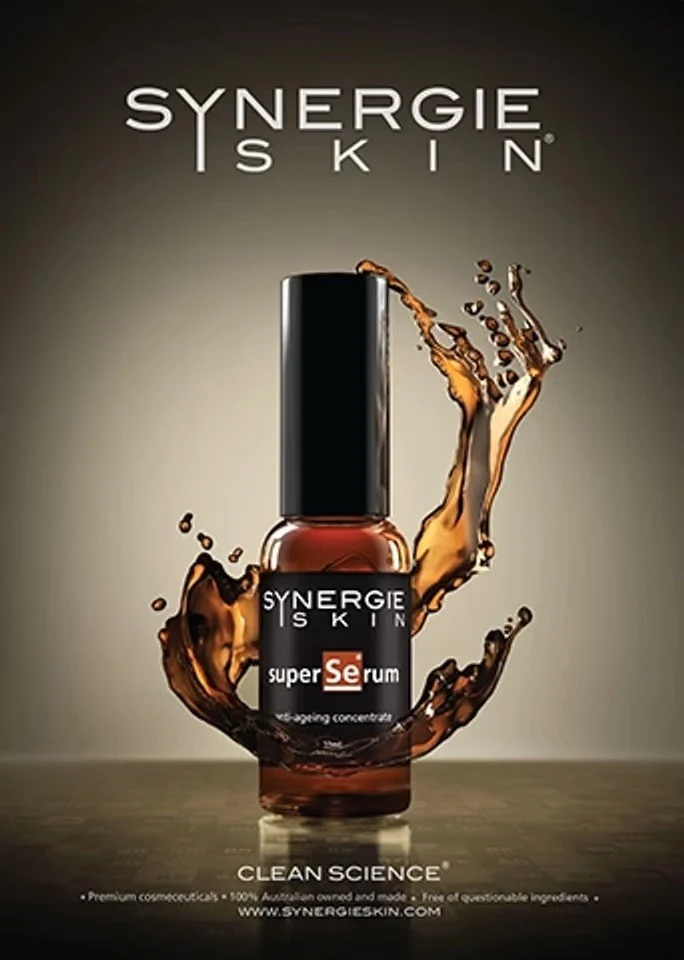
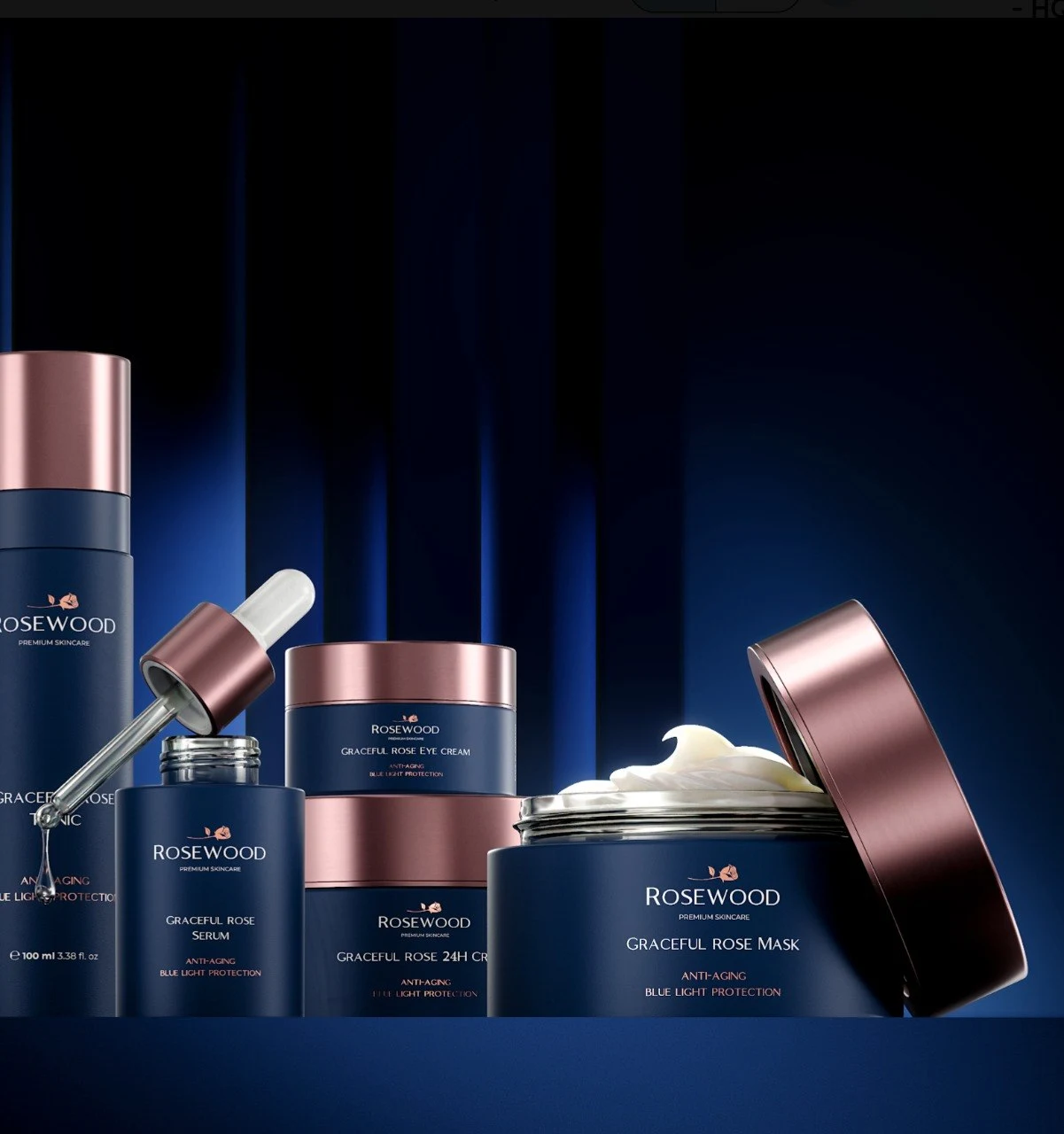
- Check product accuracy, packaging text, logos, recognisable likenesses and unexpected resemblance to third-party work.
- Confirm platform disclosure rules and client approval requirements for the actual intended placement.
- Keep a provenance pack: inputs, tool/version, dated terms, production history, human edits, approvals and the agreed limits of use.
Copy, fill in, adapt.
Use the download for an editable file, or select the worksheet below. Share only the information your project actually needs.
# Commercial AI imagery review

Project / campaign / territories:
Intended placements and duration:
Rights reviewer / final approver:

## Tool record
Service / model / version:
Account tier / generation date:
Applicable terms or licence URL and saved copy:
Upload retention / confidentiality review:

## Input permissions
| Input | Owner / supplier | Permission relied upon | Restrictions | Evidence link |
| --- | --- | --- | --- | --- |
| | | | | |

## Human contribution
Selection / arrangement / modification record:
Compositing / retouching notes:

## Final review
Product and label accuracy:
Brands / likeness / third-party resemblance:
Disclosure or platform requirements:
Approved uses and excluded uses:
Open questions requiring legal advice:
Approval date / approver:

This worksheet is not legal advice or a rights guarantee.
Sources and scope
- [3] U.S. Copyright Office: Copyright Office Releases Part 2 of Artificial Intelligence Report
- [4] U.S. Copyright Office: Fair Use FAQ
Check the current primary source and the terms that apply to your project. These U.S. sources are not a statement of worldwide law.