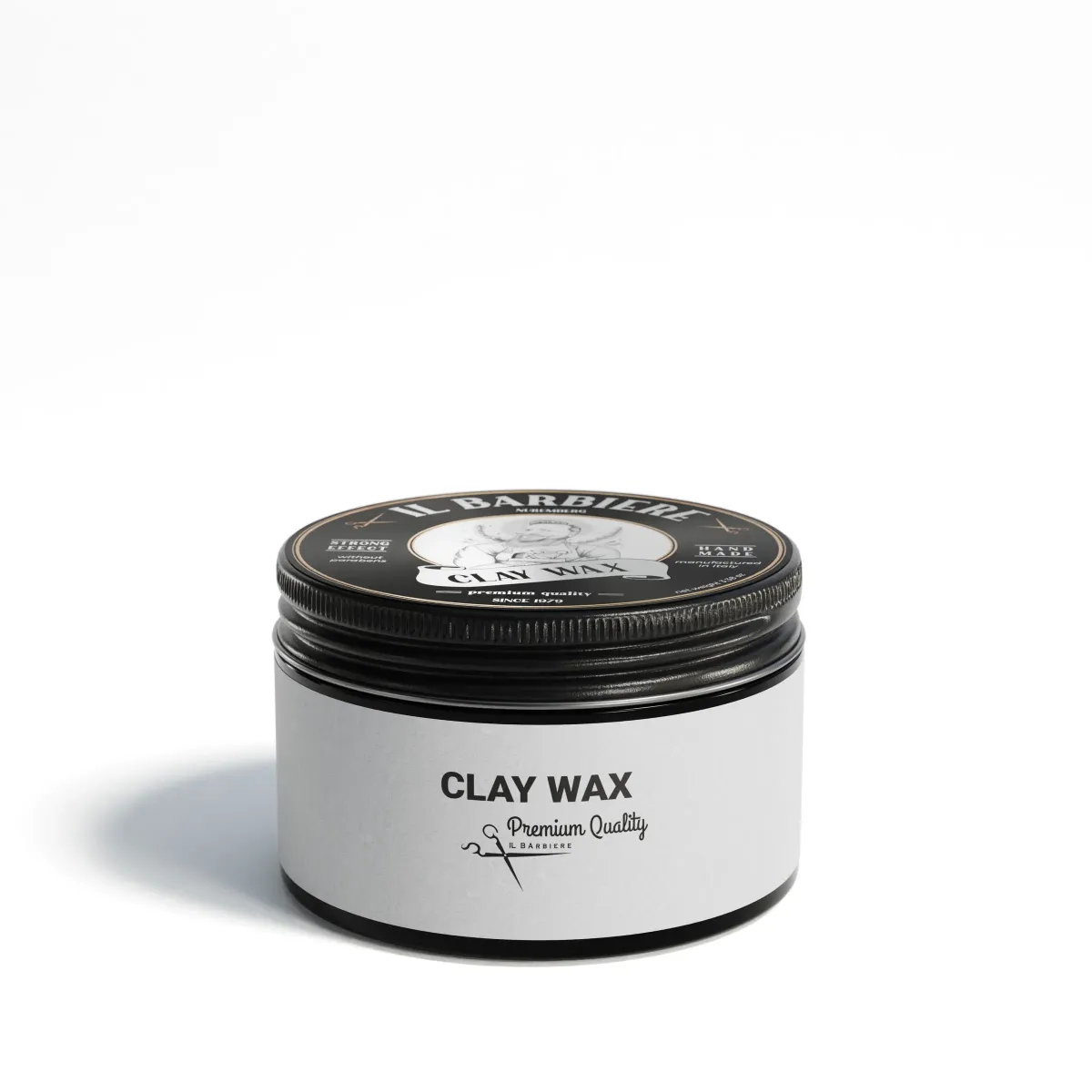
Clay Wax product film
A compact cosmetic animation focused on weight, material and a controlled product reveal.
View related projectServices / Kimagination
CGI product films and short-form motion that reveal design, function, assembly and material behaviour.
Silent CGI close-up of an open Il Barbiere Clay Wax jar on grey veined stone. The lid leans against the jar, displaying the Il Barbiere and Clay Wax lettering, with white wax visible inside. The camera moves closer while directional light casts a shadow to the right. There is no speech or soundtrack.
Product animation shows how an object looks and works over time. A camera move reveals its shape; an exploded sequence shows how the parts fit together. Material transitions can explain features that are difficult to show in a single still.
We plan the movement around what the viewer needs to understand. The same approved 3D model can be used for a product film, a set of social loops or technical sequences.
Discuss a product animationA product reveal introduces form and finish, while a feature sequence explains a mechanism or action. For a social loop, plan how the sequence repeats and how the crop will read on a phone. Each needs its own shots, even when they share a model. Approve the timing and camera movement in an animatic before final materials and rendering.
What you receive
Where it works
What to send
The process
We agree what the viewer should understand, then describe the visual approach and plan the shots.
Simple frames and timing establish the sequence before detailed rendering begins.
Product materials, lighting and environment are approved on representative frames.
We complete the animation, simulation and rendering, then edit and grade the film for the agreed formats.
Examples and guides
A compact cosmetic animation focused on weight, material and a controlled product reveal.
View related project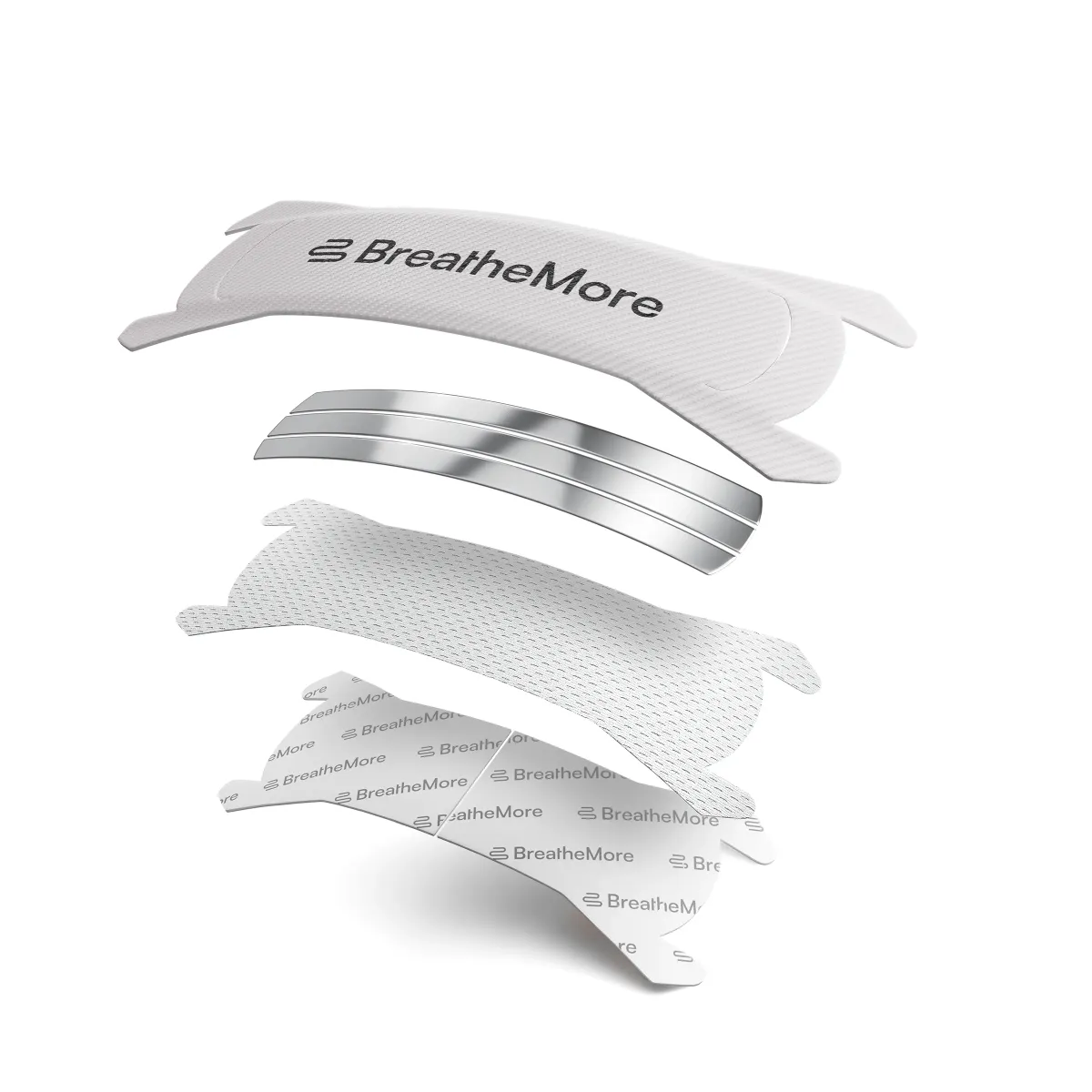
Hero images and supporting launch assets that introduce the product.
View projectQuestions
The message determines the duration. A single feature may need six to fifteen seconds, while a launch film may need thirty to sixty. We often design a master sequence that can produce shorter edits.
Yes. Storyboards and a timed animatic make camera, sequence and messaging decisions visible before expensive final rendering.
Often, but a still-image model may need cleanup, internal parts or rigging. We inspect the files first and separate preparation from animation scope.
Sound design, licensed music and voiceover can be included when agreed. Rights, territories and duration of use are confirmed before licensing.
Resolve the practical questions before commissioning the work: what to supply, which approach fits, and what needs approval.
Write a 3D product animation brief with a shot list, timing, movement references, storyboard approvals and delivery formats.