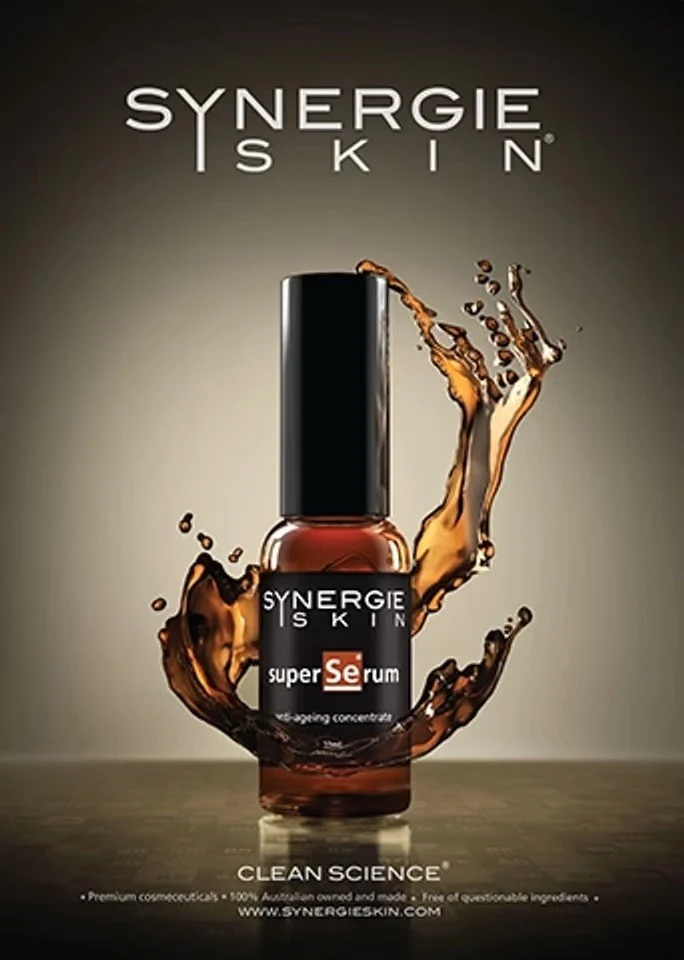
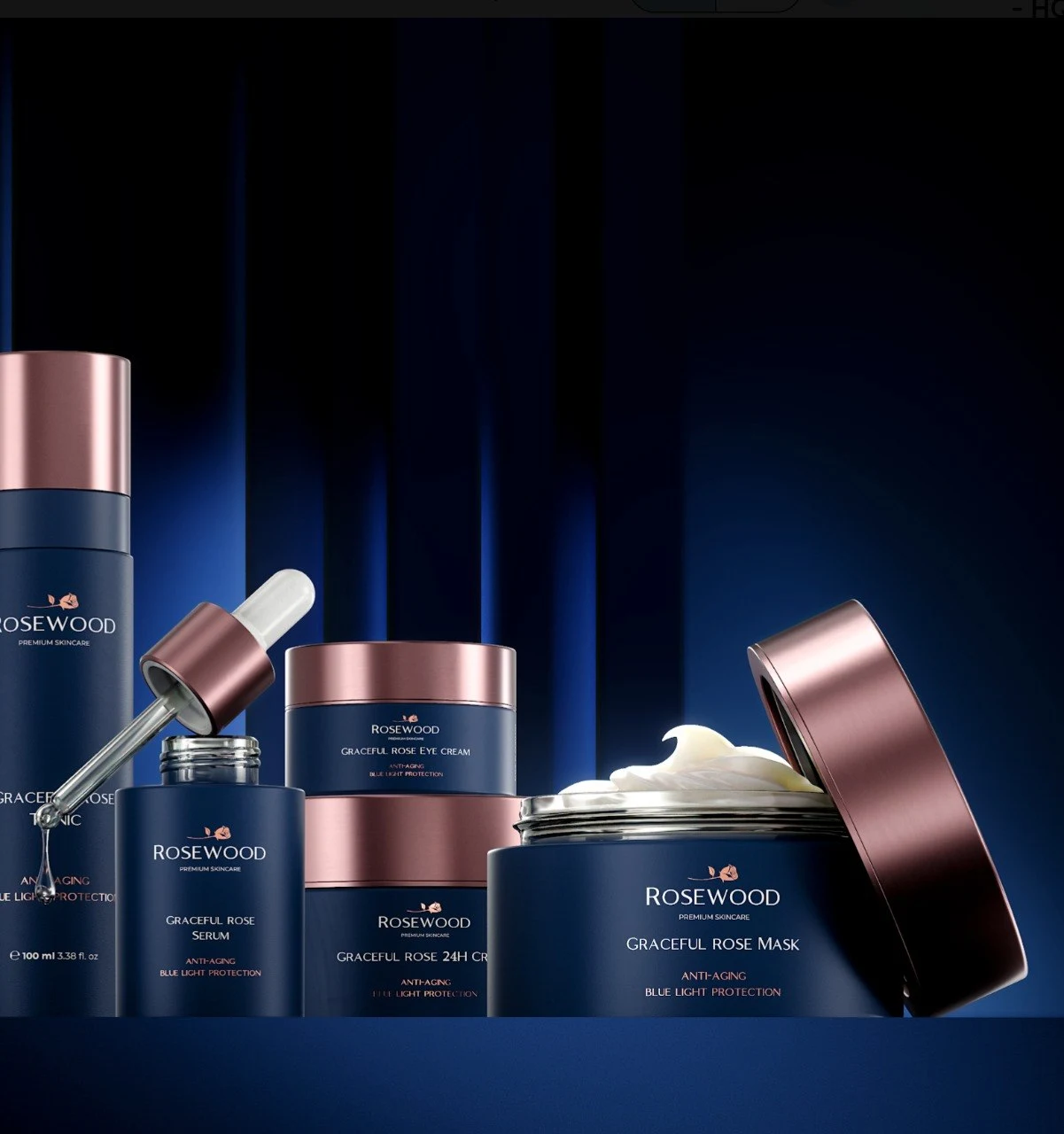
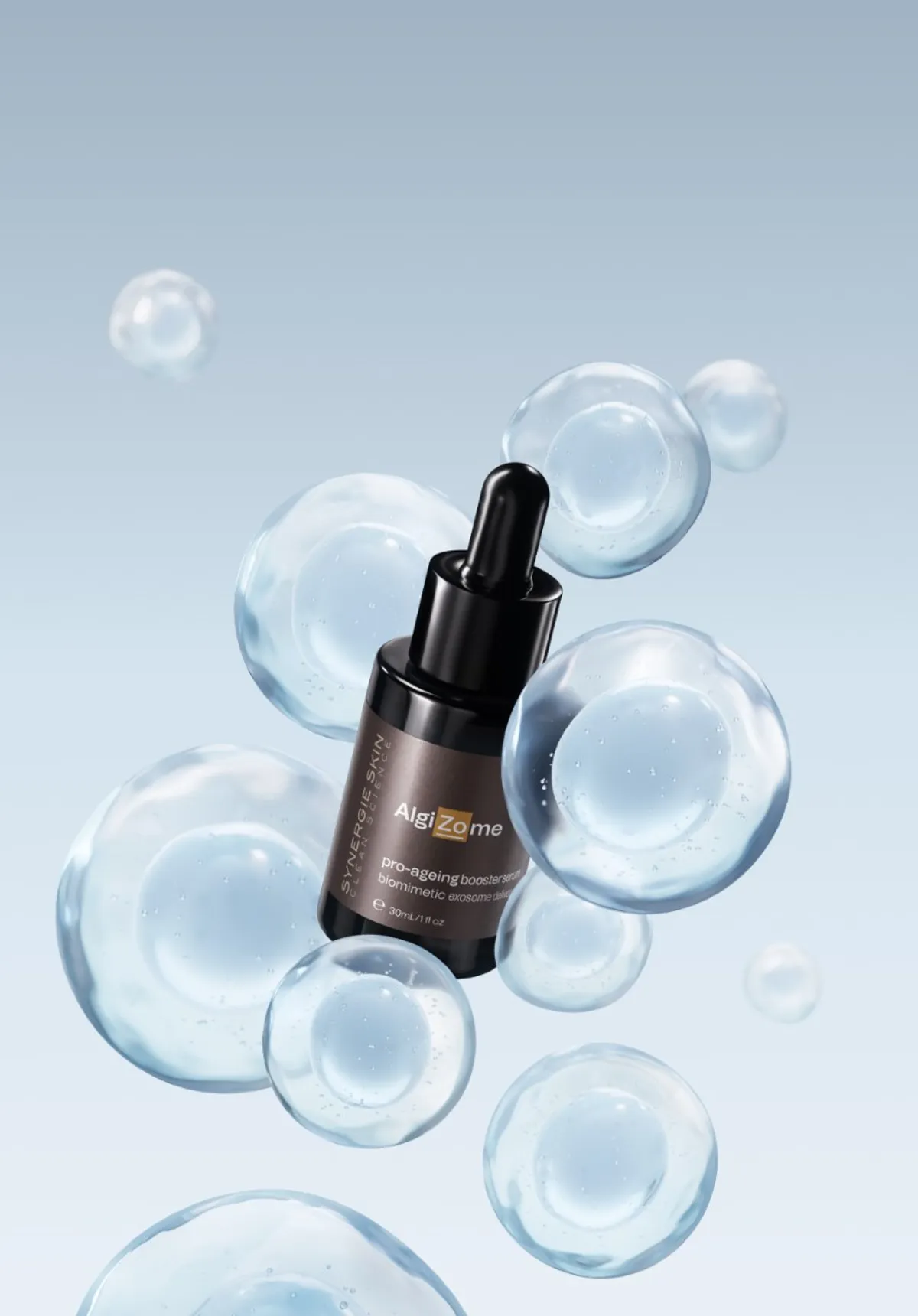
Synergie Skin campaign
Skincare campaign images with precise packaging, carefully rendered materials and compositions prepared for the campaign.
View case studyServices / Kimagination
Photorealistic product rendering for launches, e-commerce, packaging and advertising, built from a reusable digital product asset.
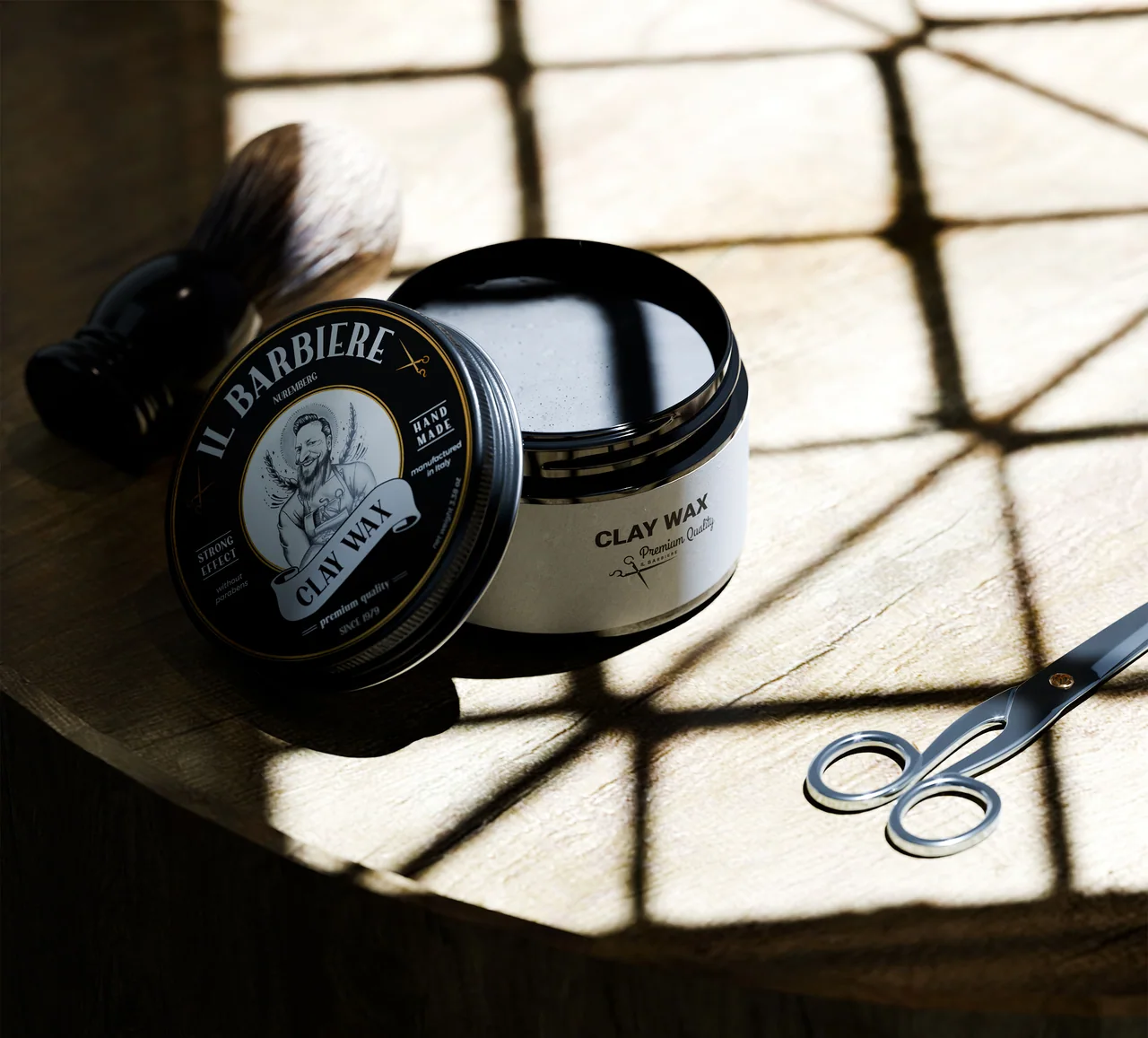
Product rendering lets you choose the lighting, camera angles and materials, and show product variants before a physical shoot is practical. We build an accurate 3D product, then compose each image to introduce its shape, explain a feature, show a finish or make it appealing.
Once approved, the same model can be used for hero images, catalogue views, transparent e-commerce exports, colourways and later animation. Reusing it keeps the images consistent and makes revisions and new variants easier to manage.
Discuss a product rendering projectFor a product page, start with a recognisable shape, readable artwork and consistent framing. A launch image may need a custom set, a closer camera or more expressive light. Agree these views before producing variants. Both can use the same approved product model, with a different composition for each image.
What you receive
Where it works
What to send
The process
We agree who the images are for, where they will appear, which views you need and how they should look before producing the full set.
We prepare the geometry, labels and materials, then use neutral views to check these and the product proportions with you.
We develop the camera angles, lighting, setting and composition around the agreed purpose of each image.
We work through the combined feedback, refine the final details and prepare exports for each agreed channel.
Examples and guides
Skincare campaign images with precise packaging, carefully rendered materials and compositions prepared for the campaign.
View case study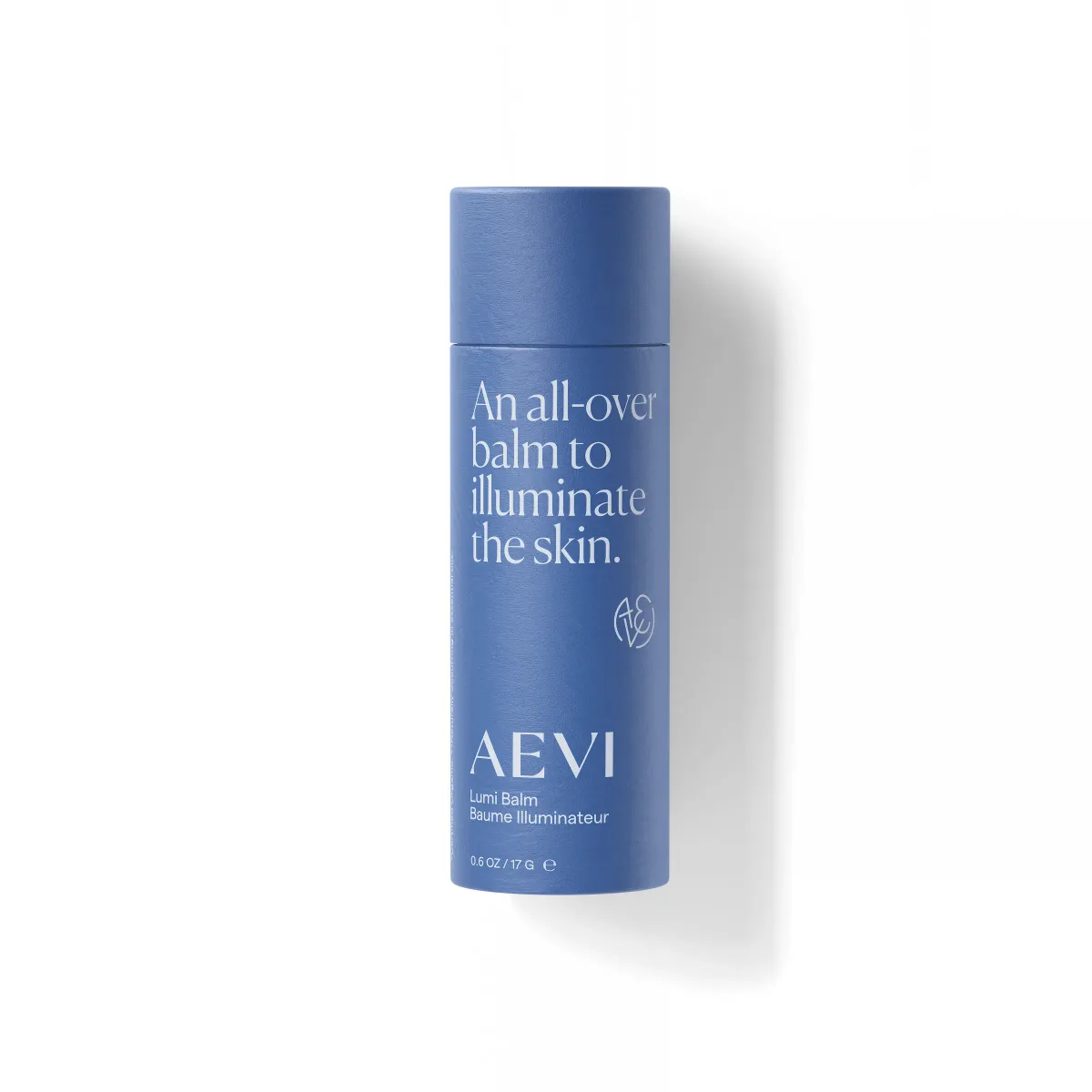
A restrained collection of skincare bottles, treatments and packaging rendered as one coherent product family.
View projectQuestions
No. A good CAD file can accelerate production, but we can also model from drawings, dimensions and clear product references. We confirm what is reliable before quoting the modelling stage.
For many catalogue, launch and advertising uses, yes. CGI is especially useful before manufacturing, for difficult materials, and when many variants must remain consistent. Photography may still be preferable when spontaneous human interaction or documentary realism is central.
We separate product validation from final art direction. Neutral views allow geometry, labels and materials to be checked before time is invested in campaign lighting and composition.
Usually. We build with reuse in mind, although animation can require additional internal geometry, rigging or topology depending on what needs to move.
Resolve the practical questions before commissioning the work: what to supply, which approach fits, and what needs approval.
Understand product rendering cost factors, from CAD preparation and modelling to materials, image variants, revisions and final delivery.
Compare CGI and product photography for product launches, variants, revisions, materials, production costs and campaigns combining both methods.
Plan skincare product rendering with checks for glass, fill levels, frosted surfaces, foil, labels, closures and consistent packaging across a range.
Learn what 3D product rendering is, how the process works, which files to provide and when CGI suits product launches, e-commerce and animation.
ArtCraft's open-source Adobe alternatives look promising. A studio view on PhotoCraft, FilmCraft and what professionals need before switching.